BLAIM 2.0

28–30 January 2027Hybrid modeParul University, Vadodara

2nd International Multi-Disciplinary Conference on

Mindfulness, Behavioural Science & Legal Innovation

“Gen Z for Sustainable, Just and Human-Centred Futures”

Organised by

SCOPE, Parul University

In association with

  • Parul Institute of Law
  • Parul Institute of Ayurved & Research
  • Parul Institute of Pharmacy & Research
  • Parul Institute of Medical Sciences & Research
A stone rotunda lit from an oculus above a central table

BLAIM 2.0Vadodara · Gujarat · India

Key dates

Deadlines, workshop and conference days

  1. Abstract submission deadline

  2. Abstract acceptance notification

  3. Full paper submission

  4. Early bird registration deadline

  5. Late bird registration deadline

  6. Pre-conference workshops

  7. Main conference

About the conference

A multidisciplinary platform for scholars, practitioners and change makers.

The BLAIM 2.0 International Conference is a multidisciplinary platform bringing together distinguished scholars, researchers, policymakers, practitioners, and change makers from across the globe. The conference explores the intersections of mindfulness, behavioural science, psychology, criminology, social and criminal justice, legal innovation, and emerging technologies, particularly artificial intelligence (AI), fostering academic dialogue, knowledge exchange, and international collaboration.

Centred on the theme “Gen Z for Sustainable, Just and Human-Centred Futures,” the conference examines the role of younger generations in shaping contemporary social, technological, and institutional landscapes. It addresses key areas including mental health and psychological resilience, human rights, youth leadership, digital governance, AI accountability, social inclusion, and sustainable innovation.

Organised by Scientific Communication, Outreach and Public Engagement (SCOPE), Parul University, in association with the Faculty of Law, Faculty of Ayurved, Faculty of Pharmacy, and Faculty of Medicine, the conference reflects a commitment to interdisciplinary research and human-centred development.

Through keynote addresses, expert discussions, research presentations, and workshops, BLAIM 2.0 aims to promote scholarly collaboration, innovative thinking, and practical approaches to contemporary societal challenges, contributing to a more inclusive, equitable, and sustainable future.

01Aim

BLAIM 2.0 aims to foster interdisciplinary dialogue integrating mindfulness, behavioural science, legal innovation, social and criminal justice, and emerging technologies to address contemporary societal challenges. The conference seeks to bridge individual awareness and institutional transformation by promoting psychological well-being, ethical leadership, evidence-based research, and human-centred governance. Particular emphasis is placed on responsible artificial intelligence, inclusive policymaking, youth participation, and sustainable development. Aligned with the United Nations Sustainable Development Goals (SDGs), the conference aspires to encourage scholarly collaboration, practical innovation, and meaningful societal change.

02Rationale

Rapid technological advancement, changing behavioural patterns, mental health concerns, social inequalities, and declining institutional trust present increasingly complex challenges that extend beyond traditional disciplinary boundaries. The growing influence of artificial intelligence on social interactions, governance, and criminal justice further raises concerns regarding ethics, accountability, privacy, and human rights. BLAIM 2.0 responds to these challenges by bringing together behavioural, psychological, legal, and technological perspectives to develop integrated and evidence-informed solutions. Recognising the evolving role of Generation Z in shaping digital culture, social values, and institutional expectations, the conference encourages innovative approaches to leadership, justice, education, and public service, contributing to a more equitable, resilient, and sustainable future.

Participation

Who should attend

The conference welcomes participants from a wide range of academic, professional, and policy fields, including:

Researchers, scholars, doctoral students, and early-career academics; policymakers and public officials; police, criminal justice, correctional, and security professionals; representatives of civil society and victim-support organisations; legal professionals; social scientists; the media; and all those interested in crime, justice, security, social control, social justice, and the future of humankind.

Dates & venue

When and where

BLAIM 2.0 will take place from 28 to 30 January 2027 in hybrid mode, hosted by Parul University, Vadodara, Gujarat, India. Pre-conference workshops are held offline on 27 January 2027. Day 1 (28 January) is online, and Days 2 and 3 (29–30 January) take place on the university's 250-acre campus at P.O. Limda, Ta. Waghodia, Dist. Vadodara.

Vadodara, known as Gujarat's cultural capital, offers an attractive setting for the conference. Its regal heritage, lush gardens, and spiritual landmarks, including the Laxmi Vilas Palace, Sayaji Baug, and the EME Temple, are all within the city, with the UNESCO World Heritage site of Champaner-Pavagadh nearby. Hotels close to the campus in Vaghodia and in Vadodara city centre are listed in the venue and hotel guide.

Conference themes

Five themes, each with five focus areas.

Abstracts are invited under any of the themes below. Choose the theme that best fits your work when you submit.

  1. Theme1

    Behaviour, Health and Well-being

    • Mental Health, Psychological Resilience and Holistic Well-being
    • Neuroscience, Cognition and Emerging Approaches to Mental Health
    • Digital Lifestyles, Behavioural Patterns and Emerging Health Challenges
    • Integrative Healthcare, Traditional Medicine and Evidence-Based Therapeutic Innovations
    • Social Relationships, Emotional Intelligence and Adaptive Coping
  2. Theme2

    Law, Leadership and Justice

    • Youth Leadership, Governance and Democratic Participation
    • Human Rights, Social Justice and Inclusive Legal Frameworks
    • Crime Prevention, Evidence-Based Policing and Community Safety
    • Criminal Justice Reforms, Victimology and Restorative Justice
    • Cybercrime, Digital Justice and Emerging Challenges in Criminal Justice Systems
  3. Theme3

    AI, Algorithms and Accountability

    • Artificial Intelligence, Ethics and Responsible Technological Innovation
    • Machine Learning, Intelligent Systems and Human-Centred Applications
    • Algorithmic Governance, Digital Rights, Privacy and Accountability
    • AI-Driven Transformations in Healthcare, Education and Employment
    • Emerging Technologies, Cyber-security and Sustainable Digital Innovation
  4. Theme4

    Inclusion, Innovation and Impact

    • Social Inclusion, Equity, Diversity and Sustainable Development
    • Youth-Led Innovation, Entrepreneurship and Social Transformation
    • Inclusive Education, Skills Development and Economic Empowerment
    • Environmental Sustainability, Climate Justice and Community Resilience
    • Public Policy, Social Innovation and Global Partnerships for Sustainable Development
  5. Theme5

    Media, Mindfulness and Meaningful Futures

    • Digital Media, Identity and Contemporary Youth Culture
    • Mindfulness, Emotional Awareness and Digital Well-being
    • Media Literacy, Misinformation and Responsible Communication
    • Media, Crime, Justice and Public Perceptions of Social Issues
    • Ethical Living, Sustainable Lifestyles and Future Aspirations

Our guests

Guests of honour and invited speakers.

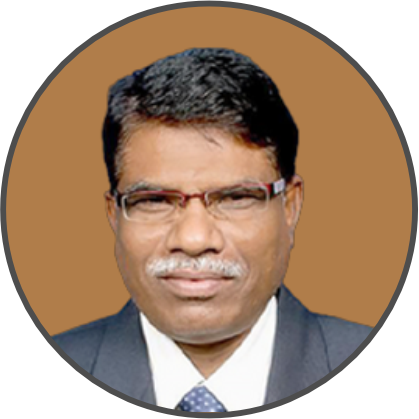
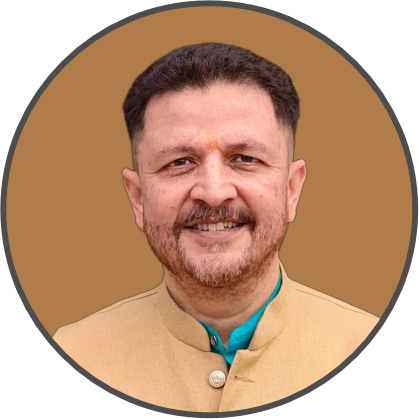
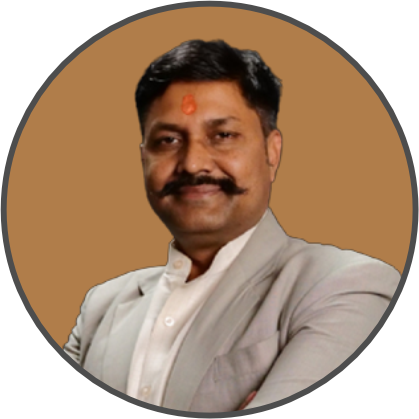
  • Ujjwal Deorao Nikam, Padma Shri

    Member of Parliament

    Rajya Sabha

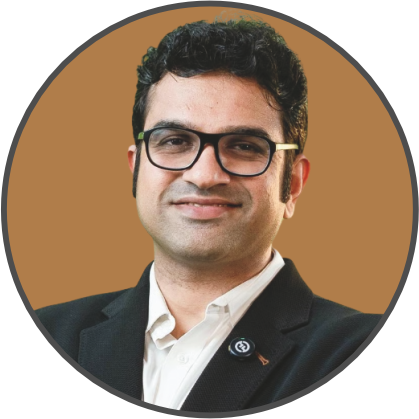
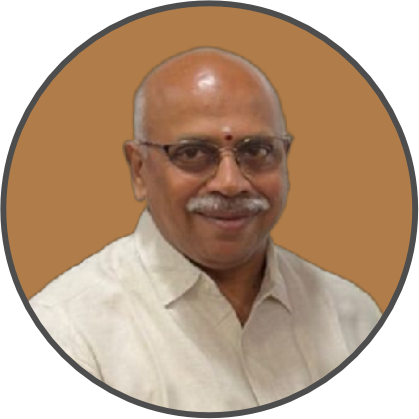
  • Prof. Madhukarbhai S. Padvi

    Chairman

    Indian Council of Social Science Research, Delhi, India

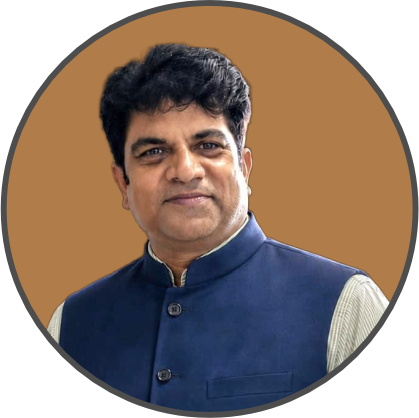
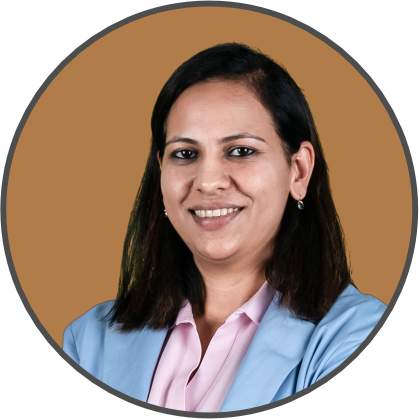
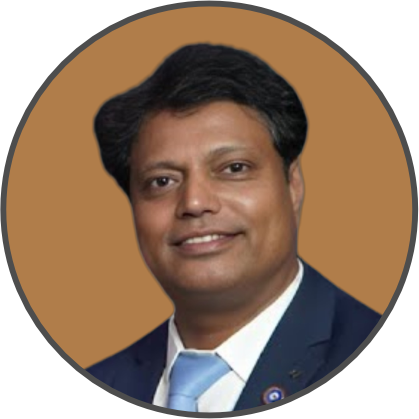
  • Vishwa Bhushan Mishra

    President

    UP PCS Officers' Association

Theme 1

Behaviour, Health and Well-being

9 speakers

  • IndiaProf. Dr. Asha Srivastava

    Professor of Practice and Dean

    School of Behavioural Forensics, NFSU, Gandhinagar, Gujarat, India

  • IndiaProf. Dr. Ritwik Banerjee

    Professor

    Behavioural Economics, Indian Institute of Management, Bangalore, Karnataka, India

  • IndiaProf. Dr. S. L. Vaya

    Lifetime Professor

    School of Behavioural Sciences and Forensic Investigations, Rashtriya Raksha University, Gujarat, India

  • IndiaProf. Dr. M. R. Yadav

    Advisor (Research)

    Parul Institute of Pharmacy, Parul University, Gujarat, India

  • IndiaDr. Swapnil Chandrakant Raskar

    Professor and Head

    Department of Kaumarbhritya, Parul Institute of Ayurveda, Parul University, Gujarat, India

  • IndiaProf. Kamlesh Singh

    Professor

    Department of Humanities & Social Sciences, IIT Delhi, India

  • IndiaDr. Sanjram Premjit Khanganba

    Professor

    Human-System Interaction, Human Factors & Applied Cognition Lab, IIT Indore, Madhya Pradesh, India

  • IndiaDr. Reshmi Gupta

    Associate Professor

    Psychology, IIT Bombay, Maharashtra, India

  • IndiaDr. Krishan Kumar

    Additional Professor

    Department of Psychiatry, Post Graduate Institute of Medical Education and Research, Chandigarh, India

Theme 2

Law, Leadership and Justice

15 speakers

  • IndiaDr. Vineet Kapoor (IPS)

    Deputy Inspector General of Police

    State Police HQ, Bhopal, Madhya Pradesh, India

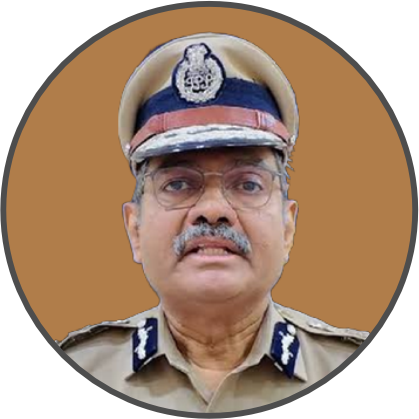
  • IndiaShri Narasimha N. Komar (IPS)

    Commissioner of Police

    Vadodara City, Gujarat, India

  • IndiaProf. Dr. Beulah Shekhar

    Adjunct Professor

    Faculty of Liberal Arts, Parul University, Gujarat, India

  • United KingdomProf. Carolyn Hoyle

    Professor

    Centre for Criminology, University of Oxford, UK

  • United KingdomDr. Eleanor Neyroud

    Affiliated Lecturer

    Institute of Criminology, University of Cambridge, UK

  • SloveniaProf. Dr. Gorazd Meško

    Professor

    Faculty of Criminal Justice & Security, University of Maribor, Slovenia

  • United StatesDr. Dawn Beichner Thomas

    Professor

    Criminal Justice Sciences Department, Illinois State University, USA

  • United KingdomProf. Layla Skinns

    Professor

    School of Law, University of Sheffield, UK

  • United StatesDr. Sanja Kutnjak Ivkovich

    Professor

    School of Criminal Justice, Michigan State University, USA

  • United StatesProf. Dr. John Eterno

    Professor & Chair

    Criminal Justice & Legal Studies, Molloy University, USA

  • BelgiumProf. Dr. Stephan Parmentier

    Emeritus Professor

    Leuven Institute of Criminology (LINC), KU Leuven, Belgium

  • South AfricaProf. Dr. Robert Peacock

    Professor

    Department of Criminology, University of the Free State, South Africa

  • SloveniaDr. Rok Hacin

    Associate Professor

    Faculty of Criminal Justice & Security, University of Maribor, Slovenia

  • United KingdomProf. Dr. Ruwan Uduwerage-Perera

    Professor & Co-Director

    Centre for Solution-Oriented Practice, De Montfort University, UK

  • IsraelProf. Natti Ronel

    Professor

    Department of Criminology, Bar-Ilan University, Israel

Theme 3

AI, Algorithms and Accountability

6 speakers

  • AustraliaProf. Dr. Jemal H. Abawajy

    Professor

    School of Information Technology, Deakin University, Australia

  • IndiaProf. Veeky Baths

    Professor

    Department of Biological Sciences, BITS, Goa, India

  • DenmarkProf. Dr. Yogendra Kumar Mishra

    Professor

    Mads Clausen Institute, University of Southern Denmark

  • IndiaProf. Dr. Tanmoy Chakraborty

    Professor

    Dept. of Electrical Engineering, IIT Delhi, India

  • IndiaDr. Sanjeev Nara

    Assistant Professor

    School of Biosciences and Bioengineering, IIT Mandi, Himachal Pradesh, India

  • IndiaProf. Dr. Sunita Sarawagi

    Professor

    Department of Computer Science and Engineering, IIT Bombay, Maharashtra, India

Theme 4

Inclusion, Innovation and Impact

6 speakers

  • SloveniaDr. Katja Eman

    Associate Professor

    Faculty of Criminal Justice & Security, University of Maribor, Slovenia

  • United KingdomProf. Dr. Daniel Briggs

    Professor

    Humanities and Social Sciences, Northumbria University, UK

  • IrelandDr. Matt Bowden

    Director & Senior Lecturer

    Technological University of Dublin, Ireland

  • IndiaDr. Nidhi Singh

    Deputy Director, Research & Coordination

    Parul University, Gujarat, India

  • IndiaProf. Amit Garg

    NIIF Chair in ESG

    Public Systems Group, IIM Ahmedabad, Gujarat, India

  • IndiaProf. Ankur Sarin

    Public Systems Group, Economics

    Ravi J Matthai Centre for Education Innovation, IIM Ahmedabad, Gujarat, India

Theme 5

Media, Mindfulness and Meaningful Futures

6 speakers

  • IndiaDr. Ajay Umat

    Group Editor

    Ahmedabad Mirror and NavGujarat Samay, India

  • IndiaProf. Ajay Chaturvedi

    Scholar of Time (Kāla)

    Civilisational Thinker, Strategy Consultant, Author

  • United KingdomProf. Dr. Jyoti Belur

    Professor

    Department of Security and Crime Science, University College London, UK

  • EnglandProf. Carole McCartney

    Professor

    Leicester Law School, University of Leicester, England

  • United KingdomProf. Christian Kaunert

    Professor

    International Centre for Policing and Security, University of South Wales, UK

  • IndiaShri Abhigya Anand

    Founder - Director of Pragya Jyotish

    Praajna Jyotisha Institute for Astrological Research

Committees

The people behind ​BLAIM 2.0.

Steering Committee

  • Chief Patron

    IndiaDr. Devanshu Patel

    President

    Parul University, Gujarat, India

  • Patron

    IndiaDr. Geetika Madan Patel

    Vice President

    Parul University, Gujarat, India

  • Patron

    IndiaProf. Dr. K.S. Madhusoodanan

    Provost

    Parul University, Gujarat, India

Convenor & Co-Convenors

  • Convenor

    IndiaProf. Dr. Richa Mishra

    Professor & Director

    Scientific Communication Outreach & Public Engagement, Parul University, Gujarat, India

  • Co-Convenor

    IndiaDr. Iype Cherian

    Director of Neurosciences

    Parul Institute of Medical Sciences & Research, Parul University, Gujarat, India

  • Co-Convenor

    IndiaDr. Pawan Dwivedi

    Professor and Deputy Registrar

    Parul University, Gujarat, India

  • Co-Convenor

    IndiaProf. Dr. Alok Verma

    Professor & Dean

    Parul Institute of Law, Parul University, Gujarat, India

  • Co-Convenor

    IndiaProf. Dr. Rajesh Kesarla

    Professor & Dean

    Parul Institute of Pharmacy, Parul University, Gujarat, India

  • Co-Convenor

    IndiaDr. Hemant D. Toshikhane

    Professor & Dean

    Faculty of Ayurved, Parul University, Gujarat, India

Advisory Committee

  • Conference Chair

    SloveniaProf. Dr. Gorazd Meško

    Professor

    Faculty of Criminal Justice & Security, University of Maribor, Slovenia

  • Conference Chair

    AustraliaProf. Dr. Jemal H. Abawajy

    Professor

    School of Information Technology, Deakin University, Australia

  • Conference Chair

    United Arab EmiratesDr. Mohammad Nami

    Associate Professor & Chair

    School of Health Science & Psychology, Canadian University, UAE

  • Conference Chair

    CanadaDr. Yogesh Thakker

    Assistant Clinical Professor

    Department of Psychiatry, University of Alberta, Canada

  • Conference Chair

    IndiaDr. Vikrant Pujari

    Head of Neurosciences

    Parul Institute of Medical Sciences & Research (PIMSR), Parul University, Gujarat, India

  • Conference Chair

    United KingdomDr. Mitul Patel

    Consultant Medical Microbiologist

    Birmingham Women’s & Children’s NHS Foundation Trust, UK

Technical Committee

  • Prof. Dr. Debarati HalderProfessor, Law
  • Dr. Sanjiv BhatacharyaProfessor, Neurologist
  • Dr. Rajesh SinghAssociate Professor, Law
  • Dr. Nidhi NalwayaAssociate Professor, Commerce
  • Dr. Vijendra Nath PathakAssociate Professor, Psychology
  • Dr. Sheetal ThomasAssociate Professor, Management
  • Dr. Anand SomavanshiAssistant Professor, Physics
  • Dr. Prashant ChoudharyAssistant Professor, Physics
  • Dr. Pranav DesaiAssociate Professor, Management
  • Dr. Tejal BarkhadeAssistant Professor, Microbiology
  • Dr. Mukul JainAssistant Professor, Neuroscience
  • Dr. Gajendar SinghAssistant Professor, Physics
  • Dr. Prashant Kumar TiwariAssistant Professor, Bioinformatics
  • Dr. Noble GeorgeAssistant Professor, Forensic Science
  • Dr. Nil PatilAssistant Professor, Neuroscience

Organising Committee

  • Mr. Shubhank KhareAssistant Director, TPC, Law
  • Dr. Meenakshi PachoriAssistant Professor, Statistics
  • Kavan H. DaveProgramme Coordinator
  • Gouri S. NairProgramme Coordinator
  • Mhd. MunavvirProgramme Coordinator
  • Krishn VermaDesign
  • Shubham YadavTech.
  • Abhishek AiranTech.
  • Mohsin MansuriDesign
  • Pratham ShamnaniMedia
  • Rushikesh TalekarMedia
  • Alka AnandOperations
  • Vishal ZalaOutreach
  • Artik SinghOutreach
  • MD MujahidOperations

Call for abstracts

Guidelines for Abstract Submission

Submit on or before

15 November 2026

Abstracts submitted after this date will be rejected directly without any reviews.

  1. 01

    Abstracts must be submitted online via the link provided.

  2. 02

    The submission must include a title, abstract, keywords and author information.

  3. 03

    Abstracts should be structured and concise, typically containing objectives, methods, results, and conclusions. Although not all abstracts will conform to this format, they should all contain enough information to frame the problem and orient the conclusions.

  4. 04

    The abstract should be at least 200 words but not exceed 300 words.

  5. 05

    The authors will receive the abstract review result on or before 30 November 2026.

  6. 06

    Please ensure that the submitted abstracts are original works and have not been previously published or presented elsewhere.

  7. 07

    Please refrain from submitting papers that are purely descriptive or merely provide an overview of a topic. Originality is highly valued, so avoid any form of plagiarism in your abstract.

Submit your abstract

Online form · you receive a reference number by email.

Call for papers in special issue · Journal publications

  • Journal of Criminal Investigation and Criminology / Revija za kriminalistiko in kriminologijo
Cover of Revija za kriminalistiko in kriminologijo (Journal of Criminal Investigation and Criminology), 2026, issue 2

Registration

Fees and registration.

Conference dates: 28, 29 & 30 January 2027

Indian participants

INR
Category Early bird Late bird
UG/PG Students INR 3,000 INR 4,000
Research Scholars INR 3,500 INR 4,500
Faculty Members and Working Professionals INR 4,500 INR 5,500
Accompanying Person INR 3,000 INR 4,000

International participants

USD
Category Early bird Late bird
UG/PG Students $60 $80
Research Scholars $80 $100
Faculty Members and Working Professionals $80 $100
Accompanying Person $60 $80
  • Parul University faculty and students can attend the conference on special registration sent through internal mail.
  • Participants registering under the UG/PG Students and Ph.D./Research Scholars categories must be enrolled in a full-time course at a recognised college or university. Part-time or distance education students and scholars are considered general participants and will pay the registration fee as applicable to working professionals.
  • The conference committee reserves the right to request proof of student status or Ph.D. registration to verify eligibility.
  • Registration fee includes registration kit, breakfast & lunch.

Pre-Conference Workshop and Hackathon Registration Fee

Pre-conference workshop · 27 January 2027

Indian participants (UG/PG)
INR 1,000
Indian participants (Research scholars)
INR 1,500
International participants
$35

Hackathon · 1 Nov 2026 – 15 Jan 2027 · Finale 28 January 2027

Team entry · Indian participants (Research scholars)
INR 250

Free for Parul University students

Parul University students do not pay the INR 250 fee. Register with a coupon code instead. To get your code, email a photo of your Parul University student ID card to hackathon@blaim.co.in, or upload it to the BLAIM hackathon dashboard and you will receive your code automatically within 24 hours.

Pre-conference workshop registration fee includes access to the workshop sessions, lunch, and certificate of participation.

Only 60 students and scholars are allowed on a first-come, first-served basis.

Note: The registration fee, once paid, is non-refundable and non-transferable for both pre-workshops, hackathon and conference.

Registration links

Payment links

If you need any assistance or information regarding the conference, please contact the conference organising committee at programme@blaim.co.in or info@blaim.co.in.

Host institution

About Parul University

A multi-disciplinary destination of learning and innovation, Parul University, situated in Vadodara, Gujarat, holds the distinction of being India's youngest private university to receive NAAC A++ accreditation (CGPA 3.55) in its first assessment cycle. Established in 2015, with institutional roots dating back to 1993, the University blends India's rich cultural heritage with modern educational practices, research, and technological advancement. Recognised as a UGC Category 1 University with Graded Autonomy and a Centre of Excellence by the Government of Gujarat, it offers over 200 academic programmes across diverse disciplines.

With a vibrant academic community of over 70,500 students, including more than 6,000 international students from over 75 countries, the University fosters a globally inclusive learning environment. Its 250-acre campus, industry-integrated programmes, advanced research infrastructure, international collaborations, startup incubation initiatives, and network of over 2,200 recruiters contribute to academic excellence and professional development.

Parul University has earned significant national and international recognition, ranking among the Top 50 institutions for Innovation, 41st in Pharmacy, and within the 101–150 University ranking band under NIRF 2025. It has also received the QS I-GAUGE Diamond Rating and secured a position in the QS Asia University Rankings 2026. With over ₹50 crore in external research funding, 545 patent filings, 10,000+ scientific publications, and more than 120 global academic collaborations, the University continues to advance interdisciplinary research, innovation, entrepreneurship, and sustainable societal development.

More about Parul University

70,500+
Students
6,000+
International students
75+
Countries
200+
Programmes
250
Acre campus
2,200+
Recruiters

About SCOPE

  • Scientific Communication
  • Global Collaboration
  • Research & Innovation
  • Capacity Building
  • Community Engagement

SCOPE (Scientific Communication, Outreach & Public Engagement) at Parul University is an interdisciplinary initiative. SCOPE operates through five pillars—Scientific Communication, Global Collaboration, Research & Innovation, Capacity Building, and Community Engagement—to translate scientific discoveries into real-world impact. Its expanding ecosystem includes the Mind Lab, Sensor Development Lab, developing Neuro-Aging Lab, Ekagrata Centre for Mindfulness & Behavioural Studies, and Centre for Evidence-Based Policing & Social Innovation (CEBPSI). Through its international Mentor–Mentee (M²) Programme, SCOPE promotes interdisciplinary research, scientific outreach and knowledge exchange.

Aligned with the United Nations Sustainable Development Goals (SDGs 3, 4, 9, 11, 16 and 17), SCOPE integrates neuroscience, mental health, behavioural sciences, artificial intelligence, advanced technologies, sustainability and social innovation. Inspired by MIT D-Lab’s human-centred, participatory innovation approach, it encourages community-driven solutions, responsible research and sustainable development. Supporting BLAIM 2.0’s vision of sustainable, just and human-centred futures, SCOPE strives to transform scientific knowledge into meaningful innovation, evidence-based policies, resilient institutions and measurable societal impact through collaborative research and public engagement.

More about SCOPE

Centre for Evidence-Based Policing and Social Innovation

The Centre for Evidence-Based Policing and Social Innovation (CEBPSI) at Parul University is an interdisciplinary research and policy innovation initiative developed in collaboration with the Vadodara Police Commissionerate to bridge academic research, policing practice, and community engagement. Drawing inspiration from internationally recognised approaches advanced by the Cambridge Centre for Evidence-Based Policing, the Center for Problem-Oriented Policing at Arizona State University, and the George Mason University Center for Evidence-Based Crime Policy, CEBPSI seeks to translate scientific evidence into ethical, effective, and socially responsive policing practices.

Integrating Parul University's research strengths in Criminology, Law, Behavioural Sciences, Psychology, Artificial Intelligence, Data Analytics, Forensic Sciences, and Social Innovation, the Centre focuses on crime prevention, police–community trust, victim-centred justice, cybercrime, officer mental well-being, and responsible technological innovation. Through collaborative field research, community safety assessments, capacity-building programmes, policy dialogues, and evidence-informed interventions, CEBPSI aims to develop context-sensitive solutions for contemporary challenges in policing and governance.

Aligned with BLAIM 2.0's vision of sustainable, just, and human-centred futures, the Centre aspires to become a nationally significant platform for police–academia–community collaboration, contributing to SDG 16 (Peace, Justice and Strong Institutions) and advancing inclusive, accountable, and research-driven public safety.

More about CEBPSI

Conference venue

Parul University, Vadodara.

Parul University, P.O. Limda, Ta. Waghodia, Dist. Vadodara, Gujarat, India.

Hybrid mode: participants may join on campus in Vaghodia or online.

Hotel guide

Welcome to Vaghodia & Vadodara

Whether you’re visiting for a conference at Parul University or exploring other nearby locations, we have a thoughtfully curated selection of comfortable and convenient hotels to meet all your needs, from luxurious suites to cozy budget-friendly rooms. Enjoy your stay and explore everything Vaghodia and Vadodara have to offer!

Hotel Rating Booking Location
Vadpadrka Hotel and Resort ★★★ makemytrip.com Near Parul University, Vaghodia
Divydrashti Resorts ★★★ goibibo.com Vaghodia, Gujarat
Hotel Surya Palace ★★★★ — Vadodara (approx. 20 km from Vaghodia)
Vivanta Vadodara ★★★★★ vivantahotels.com Vadodara city center (close to Vaghodia)
  • Convenient access to conference venues
  • Business-friendly amenities: Wi-Fi, meeting rooms, transfers
  • Comfortable stay with dining and leisure options
  • Close to attractions like Laxmi Vilas Palace and Sayaji Garden

Vibrance of culture & wonders

Nearby Vadodara

Vadodara, known as Gujarat's cultural capital, features a compact map of tourist places centered around regal heritage, lush gardens, and spiritual spots. Top attractions include the magnificent Laxmi Vilas Palace, Sayaji Baug Zoo, and the unique EME Temple, all located within the city, with the UNESCO site Champaner-Pavagadh nearby.

Key tourist places in Vadodara

  • Laxmi Vilas Palace: A sprawling Indo-Saracenic royal residence known for its architecture and museum, located in the heart of the city.
  • Sayaji Baug (Kamati Baug): A vast garden containing the Baroda Museum, Picture Gallery, and a zoo.
  • EME Temple (Dakshinamurti Temple): A modern, geodesic-style temple managed by the Indian Army.
  • Sursagar Lake: A central lake featuring a 120-foot statue of Lord Shiva.
  • Maharaja Fateh Singh Museum: Houses a significant collection of royal art and artifacts.
  • Kirti Mandir: A cenotaph dedicated to the Gaekwad dynasty.
  • Mandvi Gate: A historic monument located in the old city area.
  • Tapovan Temple: A serene temple complex.

Nearby attractions (day trips)

  • Champaner-Pavagadh Archaeological Park: A UNESCO World Heritage site with fortresses and temples.50 km
  • Statue of Unity: The world's tallest statue.90 km
  • Jambughoda Wildlife Sanctuary50 km
  • Akshardham Temple, Gandhinagar140 km
  • Saputara280 km

Recreation & shopping

  • Inorbit Mall: Major shopping destination.
  • Ajwa Water Park: Popular recreational spot.
  • Baroda Prints: Recommended for local textile shopping.